RFID technology has become an essential part of modern identification, access control, asset tracking, membership management, and cashless payment systems. As adoption continues to grow across industries, the demand for RFID cards has increased significantly. However, many buyers still approach RFID card procurement with limited technical knowledge, often focusing primarily on price or appearance while overlooking critical performance factors.
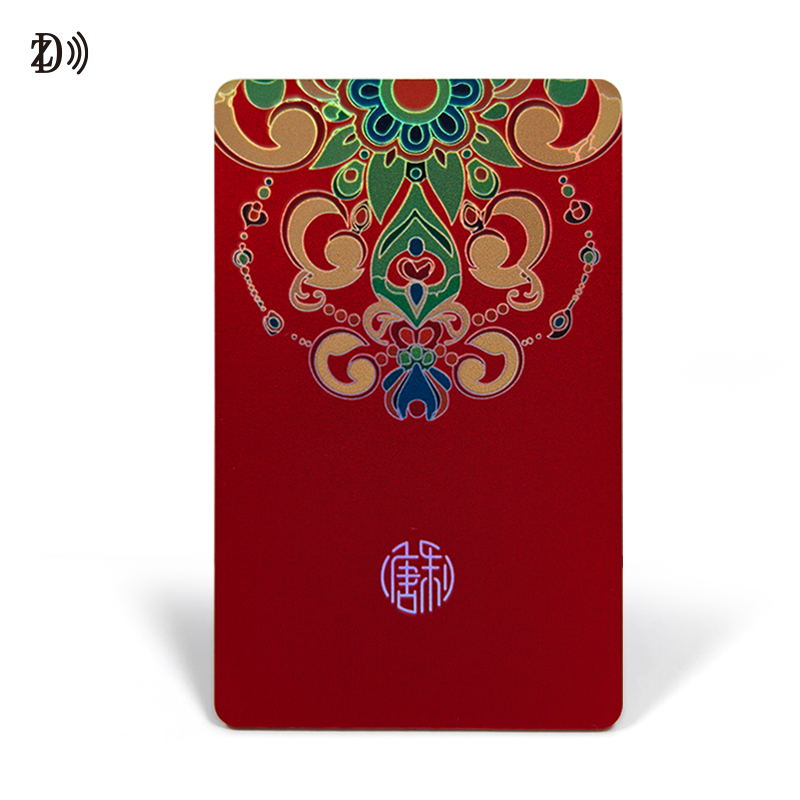
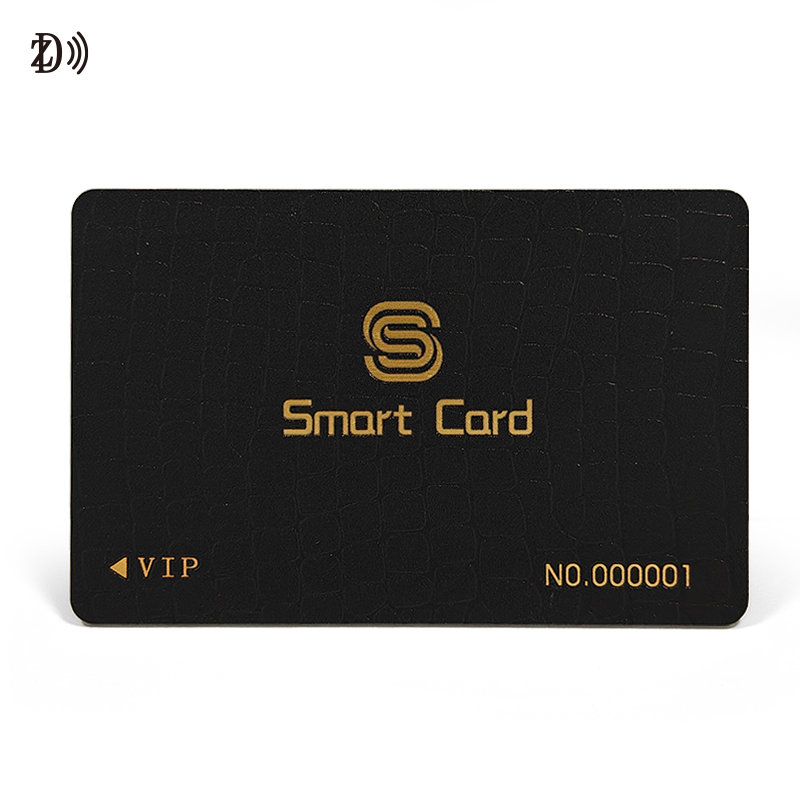
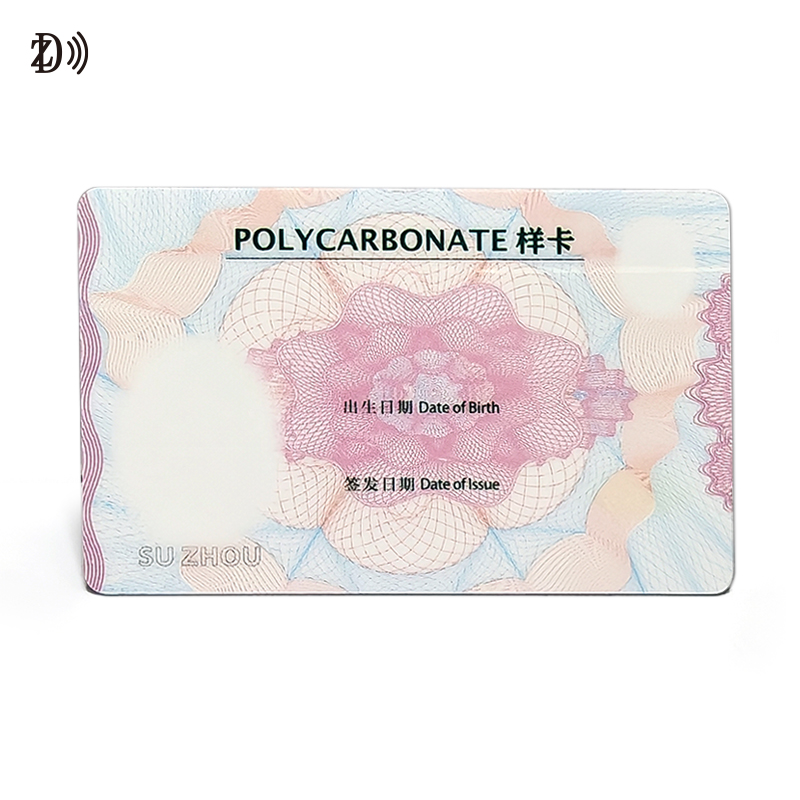
At first glance, most RFID cards look nearly identical. They share similar dimensions, materials, and printing options, making it easy to assume that any card can serve the same purpose. In reality, RFID cards differ greatly in terms of chip technology, operating frequency, security capabilities, durability, and system compatibility. Choosing the wrong card can lead to operational disruptions, increased replacement costs, and even complete system failure.
Understanding the most common purchasing mistakes can help organizations avoid costly problems and ensure that their RFID investment delivers long-term value.
One of the most frequent mistakes buyers make is believing that all RFID cards are essentially the same. While the physical appearance of different RFID cards may be similar, the technology inside can vary considerably.
Different RFID cards use different chips and communication protocols, which directly affect how they interact with readers and software systems. A card designed for a simple attendance system may not work in a secure access control environment, while a card intended for inventory management may be completely incompatible with a payment or transportation system.
Many purchasing decisions are made based solely on card dimensions or pricing, without verifying the underlying technical specifications. This often leads to compatibility issues that only become apparent after deployment. Before placing an order, buyers should clearly understand the intended application and confirm that the selected card matches both the hardware and software requirements of their existing system.
RFID technology operates across multiple frequency ranges, and compatibility between cards and readers is essential. Unfortunately, many buyers overlook this factor until they encounter problems during installation.
Low-frequency RFID cards are commonly used for basic access control and attendance systems, while high-frequency cards are widely adopted for NFC applications, campus cards, payment systems, and secure identification. Ultra-high-frequency cards are typically used in logistics, warehouse management, and long-range asset tracking applications.
Because each frequency requires compatible readers and infrastructure, purchasing the wrong type of card can render an entire batch unusable. Even if two cards look identical externally, they may operate on completely different frequencies and communication standards. Verifying reader specifications before ordering RFID cards is one of the simplest yet most important steps in the purchasing process.
Cost is naturally an important consideration, but selecting RFID cards solely based on the lowest quotation often creates more expenses over time.
Low-cost products frequently use lower-grade PVC materials, weaker antennas, less reliable chips, and less consistent manufacturing processes. While these cards may function adequately when first deployed, problems often emerge after prolonged use. Cracking, delamination, fading prints, and declining read performance are common issues associated with poor-quality products.
For organizations that issue thousands of cards to employees, students, members, or customers, durability has a direct impact on operating costs. Replacing damaged cards, managing user complaints, and dealing with system interruptions can quickly outweigh any initial savings achieved through lower purchase prices. A slightly higher investment in quality often results in significantly lower long-term costs.
The chip embedded inside an RFID card determines many of its capabilities, including memory capacity, security features, data storage, and communication performance. Yet many buyers simply request generic RFID cards without paying close attention to chip selection.
Different applications have different requirements. Basic identification systems may only need a simple unique identifier, while access control systems often require encrypted communication and authentication features. Healthcare, financial, and government applications may demand even higher levels of data protection and security.
Choosing a chip without considering the specific needs of the application can limit system functionality or create security vulnerabilities. Buyers should work closely with suppliers to ensure that the selected chip supports both current operational requirements and potential future upgrades.
Another common mistake is failing to consider the environment in which RFID cards will be used. A card that performs perfectly in an office environment may experience rapid deterioration in industrial or outdoor settings.
Environmental factors such as heat, humidity, ultraviolet exposure, chemicals, abrasion, and frequent cleaning can all affect card longevity. In healthcare facilities, cards may be regularly disinfected. In manufacturing environments, they may be exposed to oils, dust, or physical impact. Outdoor applications often require resistance to sunlight, moisture, and temperature fluctuations.
Selecting a card designed for the actual operating environment helps prevent premature failure and reduces replacement frequency. Durability should be viewed as an essential performance characteristic rather than an optional feature.
As RFID technology becomes increasingly integrated into business operations, security has become a major consideration. Unfortunately, some buyers continue to evaluate RFID cards based solely on basic functionality without considering potential security risks.
Simple RFID cards may be suitable for low-risk applications, but systems controlling access to facilities, sensitive information, or financial transactions require stronger protection. Features such as encryption, authentication mechanisms, anti-cloning technology, and secure key management can significantly reduce the risk of unauthorized access.
Ignoring security during the purchasing phase can leave organizations vulnerable to future threats and may require costly system upgrades later. Evaluating security needs at the beginning of the project is usually far more cost-effective than addressing vulnerabilities after deployment.
RFID cards often serve a dual purpose. In addition to storing electronic information, they frequently function as visible identification credentials for employees, students, members, or customers.
Many buyers focus entirely on technical specifications and only consider printing requirements after production has begun. This can lead to disappointing results if the card material or surface finish is not suitable for high-quality printing.
Organizations should determine in advance whether the cards will include logos, employee photographs, barcodes, QR codes, serial numbers, signature panels, or other customized elements. Planning these requirements early helps ensure that both functional and visual objectives are achieved.
One of the most avoidable mistakes in RFID procurement is skipping the sample evaluation stage. Technical specifications on paper do not always reflect real-world performance.
sample cards allows buyers to verify compatibility with existing readers, evaluate reading speed and accuracy, assess print quality, and confirm overall durability. Small-scale testing often reveals issues that might otherwise remain unnoticed until thousands of cards have already been produced.
Considering the relatively low cost of sample verification compared to the potential expense of replacing an entire production batch, requesting samples should be considered a standard part of any RFID purchasing process.
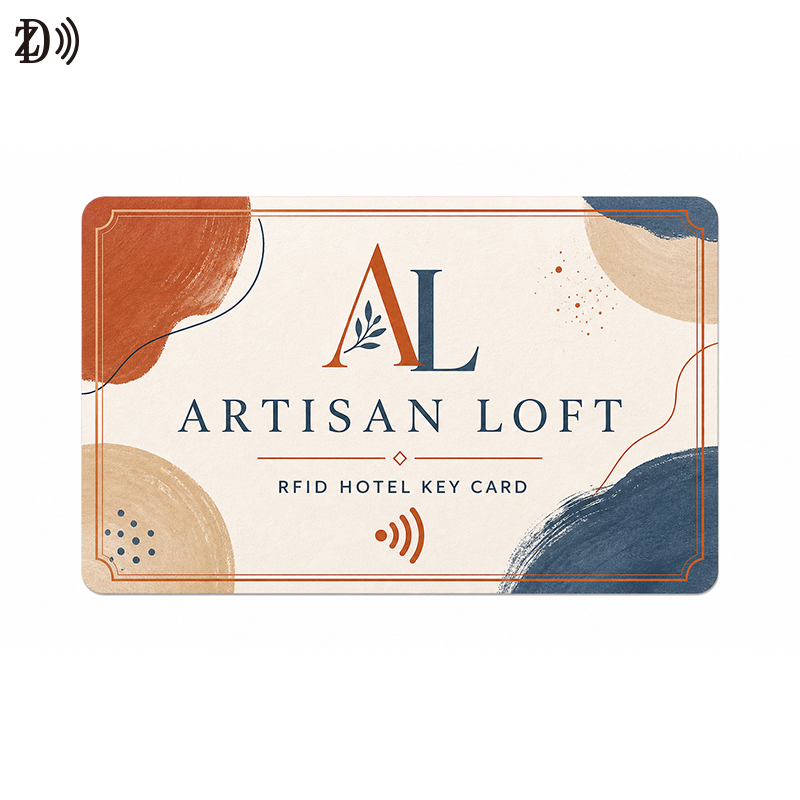
The quality of an RFID card depends not only on the components used but also on the manufacturing expertise behind it. Producing reliable RFID cards requires precise antenna placement, chip bonding, lamination, encoding, printing, and quality control procedures.
A supplier offering the lowest price may not always have the production capabilities necessary to ensure consistent quality across large orders. Variations in manufacturing can affect reading performance, card durability, and overall reliability.
Experienced suppliers are more likely to identify potential compatibility issues before production begins, provide technical guidance, and maintain consistent quality standards across multiple production runs. For long-term projects, supplier reliability often becomes just as important as the product itself.
Many RFID systems evolve over time. What begins as a simple employee identification program may eventually expand to include access control, attendance tracking, cashless payments, parking management, or visitor credentials.
Buyers who focus only on immediate requirements may find themselves limited when future expansion becomes necessary. Selecting scalable RFID solutions from the outset can help organizations avoid costly migrations and infrastructure changes later.
Considering future growth when choosing chips, card specifications, and suppliers allows businesses to maximize the long-term value of their RFID investment.
Purchasing RFID cards involves far more than comparing prices or selecting a familiar product. Compatibility, chip selection, security, durability, environmental resistance, printing quality, supplier expertise, and future scalability all play important roles in determining the success of an RFID deployment.
By taking the time to evaluate these factors carefully, buyers can avoid many of the common mistakes that lead to unnecessary costs and operational challenges. A well-selected RFID card not only delivers reliable performance but also supports the long-term efficiency and security of the entire system.
Why is RFID frequency compatibility important?
RFID cards and readers must operate on compatible frequencies to communicate correctly. Using the wrong frequency can prevent the system from functioning altogether.
How long do RFID cards typically last?
High-quality RFID cards can often last several years under normal operating conditions, although actual lifespan depends on usage frequency and environmental exposure.
Should I always request samples before placing a bulk order?
Yes. Testing samples helps verify compatibility, performance, print quality, and durability before committing to large-scale production.
What is the most common mistake when purchasing RFID cards?
One of the most common mistakes is assuming that all RFID cards are interchangeable. Differences in chip technology, frequency, and security features can significantly affect compatibility and performance.
Do you need a professional team to provide you with solutions? Contact us for a quote
Let us discuss it with you.


 Tel: +86-755-23080267
 Email: [email protected]
Add: A316,building A, Huayuan Technology And Innovation Park, Baoyuan Road
Copyright © 2024 Shenzhen ZD Technology Co., Ltd., All rights reserved.
Designed by