
Whether you're a supply chain manager battling inventory bottlenecks or a systems integrator architecting high-security access for complex industrial facilities, your infrastructure's reliability hinges on your choice of tracking technology. Navigating the trade-offs between Active vs. Passive RFID is the first step toward building a scalable, high-performance asset management ecosystem that truly works for your business.
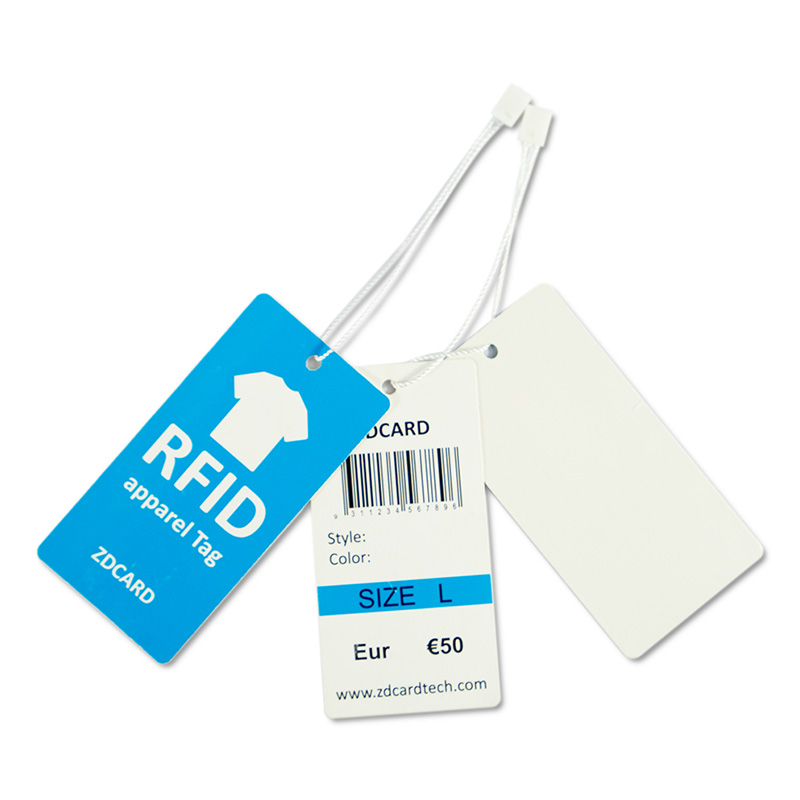
Passive tags have no internal power source. They derive energy from the electromagnetic waves emitted by an RFID reader. Because they are battery-free, they are lightweight, compact, and cost-effective. They are the industry standard for high-volume passive RFID tags deployment.
Active tags contain an internal battery, allowing them to broadcast signals autonomously over long distances. While they offer active vs passive RFID range, they are larger and require periodic battery maintenance.
Battery-Assisted Passive (BAP) tags use a battery to power the chip but rely on the reader's signal for communication. This hybrid approach offers a middle ground in the passive vs active RFID tags debate, providing better sensitivity than standard passive tags.
|
Feature |
Passive RFID |
Active RFID |
|
Power Source |
External (Reader) |
Internal (Battery) |
|
Range |
Short to Medium (Up to 10m) |
Long (Up to 100m+) |
|
Cost |
Low (Ideal for bulk) |
High (For specialized use) |
|
Lifespan |
10+ Years (Maintenance-free) |
3-5 Years (Battery dependent) |
|
Primary Focus |
Inventory throughput |
Real-time tracking (RTLS) |
For assets requiring durability in harsh conditions, our On Metal Tags provide robust performance regardless of the frequency environment. This is a key advantage when selecting rfid tag active vs passive for industrial sites.
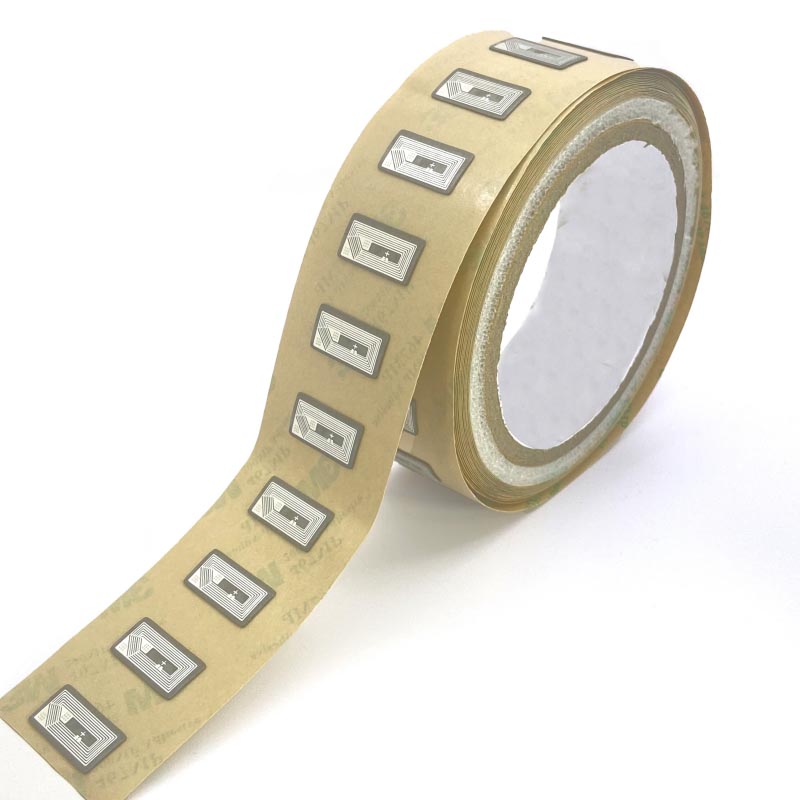
Perfect for pallet tracking and office equipment where tagging every single item is necessary.
Essential for automated throughput in logistics hubs. Passive vs active rfid tags inventory management usually leans toward passive due to the lower TCO (Total Cost of Ownership).
Suited for tools and equipment within a controlled warehouse footprint, making passive rfid tags for asset tracking a budget-friendly pick.
Ideal for monitoring expensive medical devices or heavy machinery where loss prevention is mission-critical.
Best for large-scale outdoor yards or ports that rely on active rfid tags for asset tracking.
Necessary for RTLS projects requiring constant visibility of a mobile asset's trajectory. This is a common requirement in Vehicle Management.
The active vs passive rfid cost comparison extends beyond the tag price.
Lower initial investment but require a higher density of RFID hardware such as readers or antennas to cover large areas.
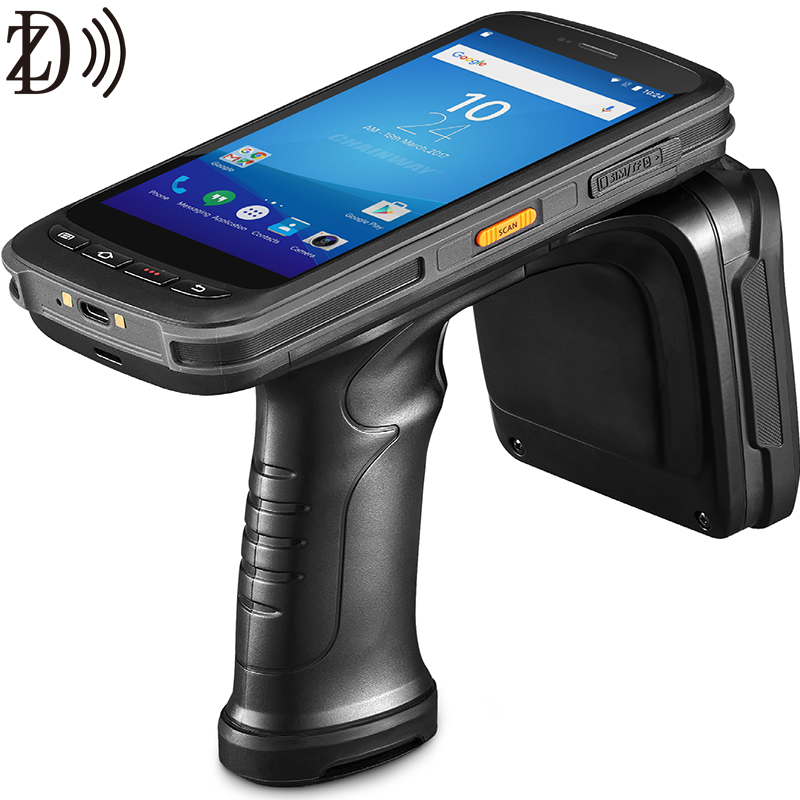
Higher tag and infrastructure costs, but require fewer readers because of the extended transmission range. Choosing the right active rfid reader vs passive rfid reader setup is crucial for balancing your long-term budget.
In our project practice at ZD RFID, we recommend evaluating your requirements based on these four critical dimensions to ensure the technical solution aligns perfectly with your operational objectives:
Are you tracking high-value, irreplaceable precision equipment, or managing high-turnover commodity assets? This distinction determines whether you require real-time location systems (RTLS) or periodic inventory reconciliation.
Do you need precision, item-level identification for warehouse racking (within a few meters), or broad-area perimeter tracking for logistics docks (tens of meters and beyond)?
Metal surfaces and liquids reflect radio waves, often rendering standard tags ineffective in complex industrial sites. It is vital to consider whether specialized On-Metal Tags or industrial-grade enclosures are required.
Can your operations accommodate ongoing battery maintenance? If your assets are deployed outdoors for years in hard-to-reach areas, maintenance-free passive tags are typically the more robust and reliable choice.
Choosing between active and passive RFID depends on your environment's scale and distance requirements. By selecting the right RFID hardware, you can streamline your asset management effectively.
As a professional RFID manufacturer in China, we specialize in custom RFID tags tailored to your technical specifications. Contact us today to discuss a tailored solution for your facility.
Do you need a professional team to provide you with solutions? Contact us for a quote
Let us discuss it with you.


 Tel: +86-755-23080267
 Email: [email protected]
Add: A316,building A, Huayuan Technology And Innovation Park, Baoyuan Road
Copyright © 2024 Shenzhen ZD Technology Co., Ltd., All rights reserved.
Designed by 

