
For event organizers, venue managers, and activity planners, selecting the right credentialing tool is vital for attendee satisfaction. Whether you are weighing the durability of a silicone RFID wristband against the aesthetic appeal of a fabric RFID wristband, this guide clarifies which RFID wristbands best suit your specific needs. Balancing performance with budget when choosing the ideal Fabric vs Silicone RFID Wristband is the first step toward a seamless event experience.
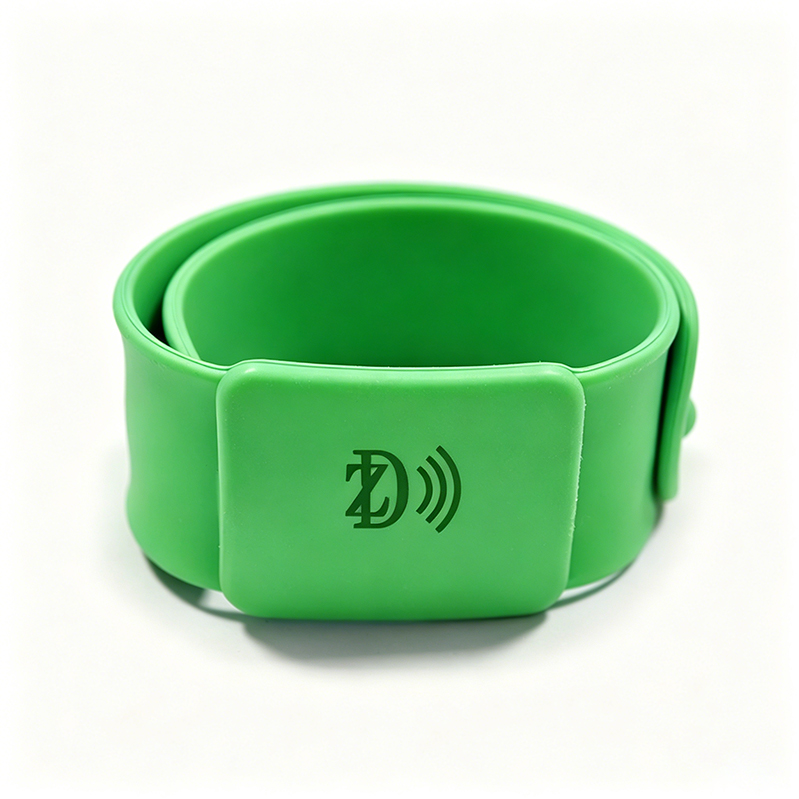
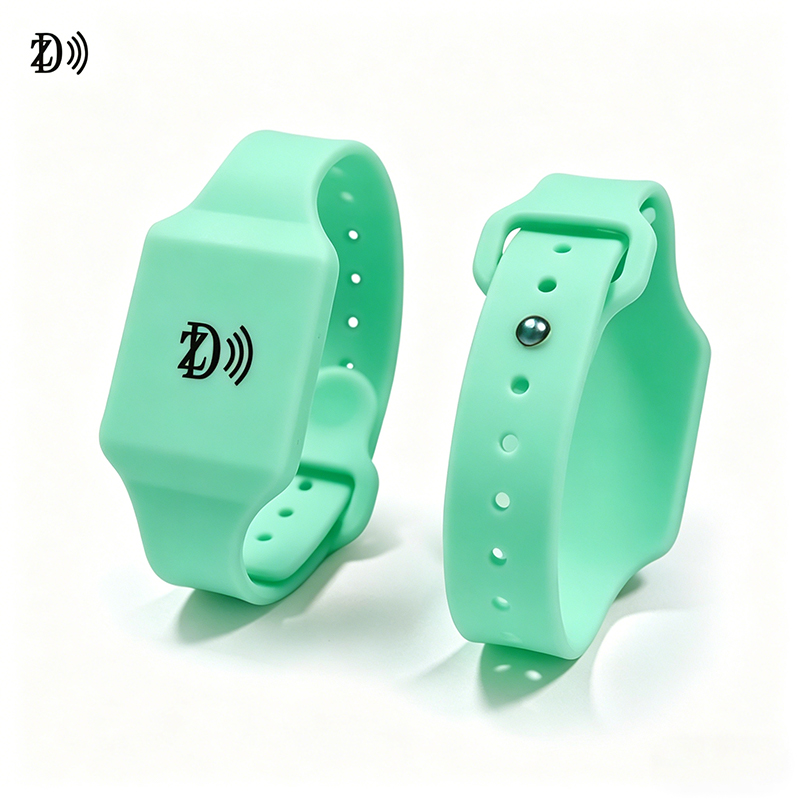
Thesewristbands are molded from high-grade, hypoallergenic silicone. They are highly durable, stretchable, and designed for repeated use. Internally, they can be configured with a variety of chip technologies, including 125KHz RFID silicone wristbands for legacy access control or more advanced NFC RFID silicone wristbands for cashless payments and social media integration. Because the chip is fully encapsulated within the material, they offer excellent protection against environmental elements.
Fabric bands are constructed from soft, woven polyester or nylon straps, featuring a secure plastic or metal slider to keep the band in place. Unlike molded silicone, these RFID fabric wristbands provide a premium, "souvenir-like" feel that is highly preferred at music festivals and major sporting events. The RFID inlay is typically housed in a small, tamper-evident plastic tag fused to the fabric, allowing for intricate, full-color brand printing across the entire strap surface.
When evaluating the optimal choice for your event, it helps to view these materials through the lens of performance, guest experience, and logistics. This breakdown highlights the core operational differences between rfid silicone wristbands and rfid fabric wristbands.
Feature | Silicone RFID Wristband | Fabric RFID Wristband |
Material & Feel | Soft, stretchable silicone | Woven polyester or nylon |
Waterproof Rating | Excellent (Fully sealed) | Moisture-resistant (Dries slower) |
Durability | High (Reusable) | Moderate (Single-use focus) |
Security | Reusable (Low tamper-resistance) | High (Tamper-evident sliders) |
Customization | Debossed or printed logo | Full-color high-resolution print |
Best For | Gyms, water parks, staff | Festivals, VIP access, brand-heavy events |
Waterproof Performance: If your event involves pools or high-intensity water activities, a waterproof RFID wristband—typically molded in silicone—prevents hardware damage and maintains signal integrity.
For high-stakes ticketing or access control, fabric bands are often superior. Once the locking slider is fastened, removing the band without cutting the fabric becomes difficult, making them an effective tool for preventing ticket fraud.
If your primary goal is maximizing brand reach, fabric options excel. Because they allow for complex, edge-to-edge color printing, they often double as a wearable souvenir.
If you operate a facility with recurring visitors—such as a fitness club or an employee campus—a reusable RFID wristband made of silicone offers a much lower cost-per-use over time compared to discarding a new wristband for every entry.
Evaluating the frequency—whether it be HF or UHF—is just as critical as the material choice. Ensuring that the tag's read range matches the speed of your crowd flow will prevent bottlenecks at entry points.
Silicone wristbands are synonymous with durability and environmental resilience. They are the go-to solution for event managers prioritizing longevity and hardware protection.
For environments where moisture is constant, the waterproof silicone RFID wristband is essential. Unlike fabric, which absorbs water, silicone is completely non-porous. This ensures that the embedded chip remains dry and functional, whether for locker access or seamless cashless payments at concession stands within a water park.
If your facility requires recurring access, such as fitness clubs, seasonal passes, or park staff identification, these bands are highly effective. Because RFID silicone wristbands are comfortable for daily wear and easy to sanitize, they serve as a sustainable, cost-effective credential that can last for months or even years.
Outdoor music festivals or multi-day sporting events can expose attendees to unpredictable weather. Silicone performs reliably regardless of humidity or sweat, making it a dependable choice for Activity and Event solutions where the equipment must hold up under diverse conditions. They are sturdy, flexible, and resistant to the wear and tear often associated with high-energy crowd participation.
Fabric wristbands excel in brand expression and security, making them a staple for large-scale social gatherings where the physical appearance of the credential matters as much as its function.
For short-term events like one-day carnivals or music festivals, the rfid fabric wristband is the industry favorite. They provide a premium, comfortable feel that attendees are happy to wear for the duration of the event. They are generally designed for single-use, which simplifies the post-event cleanup process since they are intended to be removed by cutting.
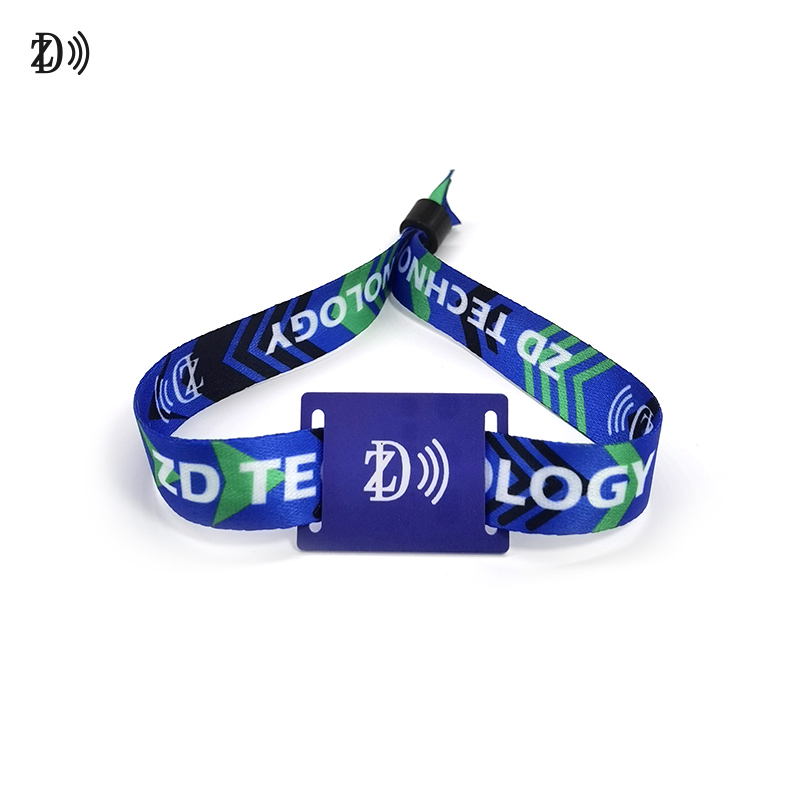
Corporate conferences and VIP hospitality events often require a sophisticated look. Fabric bands offer a polished, professional aesthetic that can be tailored to match brand guidelines perfectly. They are frequently used to differentiate access tiers, such as VIP versus General Admission, using distinct color schemes and branding.
If the event branding includes intricate logos, gradients, or high-resolution graphics, event fabric RFID wristbands are the superior choice. The printing surface allows for vivid, full-color reproduction that looks impressive in photos and serves as a lasting memento for attendees long after the event concludes. When integrated with Activity and Event solutions, these wristbands transform from simple access tokens into powerful marketing tools.
When budgeting for a large-scale project, focusing solely on the unit price can lead to an incomplete financial picture. The Total Cost of Ownership (TCO) involves balancing the per-unit expense against the desired functionality and the infrastructure required to support it.
Generally, bulk RFID wristbands in silicone are competitively priced for repeated use, whereas fabric bands—especially those requiring complex custom printing—may carry a slightly higher per-unit cost. However, because fabric bands are often discarded after a single use, this cost must be weighed against the logistical savings of not having to collect or sanitize them.
The cost of the reader infrastructure is consistent regardless of the material chosen, provided the frequency (e.g., 13.56 MHz or UHF) is matched correctly. However, a system designed for high-throughput single-use wristbands may require more strategically placed entry gates compared to a system designed for reusable silicone bands.
Silicone bands represent an investment in a durable asset. While the initial RFID silicone wristband price may be higher, the ability to reuse them across multiple event seasons or for member management significantly lowers the cost per visitor over time. Conversely, if your project budget is focused on one-off revenue, the predictable expense of a single-use fabric wristband simplifies per-event financial planning.
Ultimately, balancing your custom RFID wristbands order volume with your operational model—whether it's a short-lived festival or a long-term membership program—is the most effective way to optimize your total expenditure.
Choosing the right credential comes down to aligning your technical goals with the attendee experience. Refer to the decision logic below to narrow down your options:
Is it a one-day gathering or a multi-month membership program? (If long-term, prioritize durable silicone; if short-term, consider fabric.)
Will attendees be exposed to water or high humidity? (If yes, prioritize waterproof materials.)
Is fraud prevention a top concern? (If yes, look for tamper-evident fasteners common with woven bands.)
Do you need high-resolution, full-color imagery? (If yes, woven fabric offers the best canvas for graphics.)
By answering these four questions, the choice between which is better silicone or fabric RFID wristband becomes clear, allowing for a more focused procurement process.
For many event organizers, the wristband is more than a tool—it is a piece of wearable branding. Whether you opt for a custom fabric RFID wristband or a molded silicone version, the production process should reflect your event's visual identity.
Beyond simple color-matching, modern manufacturing allows for logos, event dates, and even unique QR codes or serial numbers. Laser engraving is a popular choice for silicone bands, providing a clean, durable look that won't fade with wear. For fabric, full-color dye-sublimation ensures that complex logos appear crisp and vibrant.
Ordering wholesale RFID wristbands is the most effective way to manage costs for large-scale projects. When planning a bulk order, it is essential to account for lead times, as custom printing and chip encoding require precise coordination.
As a dedicated RFID wristband manufacturer, we maintain strict quality control standards for every batch. This includes testing chip sensitivity and ensuring that the structural integrity of the wristband—whether it is the heat-pressed fabric or the molded silicone—meets international standards.
Before finalizing your order, always request a physical sample to test against your specific reader hardware. This simple step helps avoid compatibility issues during the event.
To explore your design options or to receive a quote for your upcoming project, feel free to contact our team or review our factory capabilities and quality standards.
Selecting an RFID wristband for events may seem straightforward, but overlooking technical details can disrupt the attendee experience. Here are the most frequent pitfalls we see:
Choosing a non-waterproof band for a pool or rainy outdoor venue often leads to hardware failure. Always verify the IP rating before ordering.
Not all RFID chips are created equal. Using a chip that operates at a frequency incompatible with your event's readers will lead to significant bottlenecks at entry points.
For high-value events, using a band that can be easily transferred between guests can lead to lost revenue. Ensure the locking mechanism matches your security requirements.
Focusing solely on the unit price and forgetting the TCO can be costly. Always factor in the cost of the supporting readers and potential replacement rates for single-use items.
Choosing between silicone and fabric depends on your need for durability versus branding impact. Silicone excels in aquatic, reusable settings, while fabric offers superior visual appeal for festivals. Contact us today to receive expert advice and a custom quote for your event.
Do you need a professional team to provide you with solutions? Contact us for a quote
Let us discuss it with you.


 Tel: +86-755-23080267
 Email: [email protected]
Add: A316,building A, Huayuan Technology And Innovation Park, Baoyuan Road
Copyright © 2024 Shenzhen ZD Technology Co., Ltd., All rights reserved.
Designed by 

