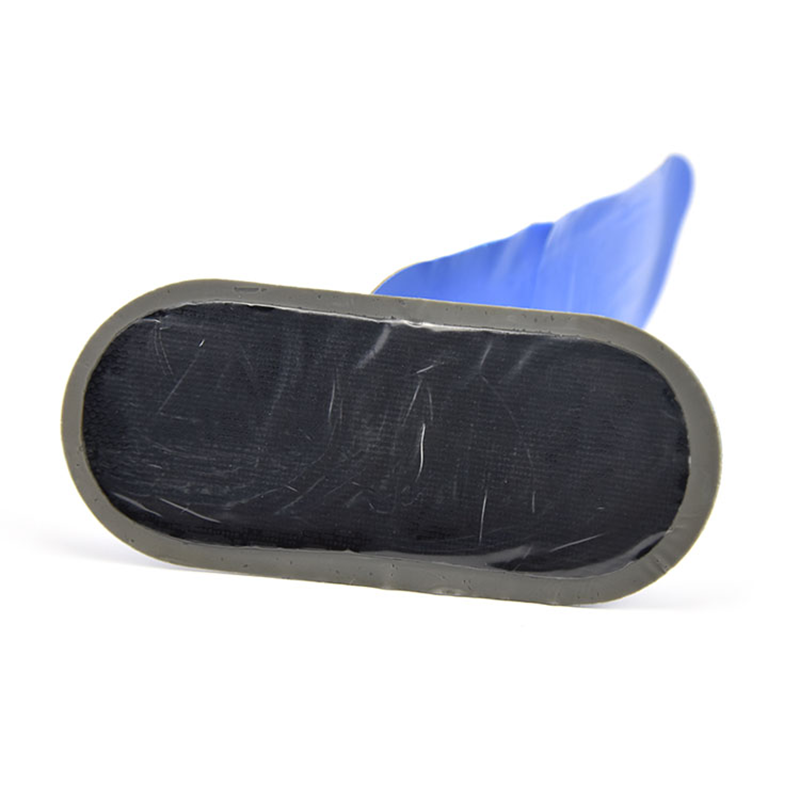
Tires are high-value, safety-critical products that move through a long lifecycle: production, warehousing, distribution, installation, inspection, maintenance, retreading and recycling. For manufacturers, fleet operators, tire distributors and retreaders, manual tire identification can lead to missing records, inefficient inspections and weak traceability.
**RFID tire tags** provide a more reliable way to give each tire a unique digital identity. By embedding or attaching an RFID tag to the tire, businesses can track product information, ownership, service history and lifecycle status more efficiently.
For B2B buyers, RFID tire tags are not only identification tools. They support better tire management, stronger anti-counterfeiting control and more data-driven operations.
RFID tire tags are RFID products designed specifically for tire applications. They can be embedded during tire manufacturing, attached to the tire surface, or used in related packaging and logistics processes depending on the project requirements.
They are commonly used for:
· Passenger car tires.
· Truck and bus tires.
· Industrial and off-road tires.
· Fleet tire management.
· Tire retreading operations.
· Tire distribution and warehouse tracking.
· Anti-counterfeiting and product authentication.
Each tag stores or links to a unique ID, allowing tire data to be connected with enterprise systems, inspection records or customer platforms.
RFID tire tags make it easier to track a tire from production to final use. Manufacturers can connect batch data, model information, production date and quality records with a unique tire ID.
Fleet operators need to know tire position, mileage, repair status and replacement timing. RFID helps inspection teams identify tires quickly and reduce manual recording errors.
Retreaders can use RFID tire tags to record casing history, inspection results, retread cycles and customer ownership. This improves process control and reduces disputes.
Counterfeit tires create safety risks and damage brand value. RFID can help authenticate products and support supply chain verification.
Tire distributors and warehouses can use RFID to improve stock counting, shipping verification and product movement records.
RFID tire tags can help manufacturers improve production traceability, quality control, warehouse management and after-sales tracking. Each tire can be linked to production batch data and inspection records.
Truck fleets, bus operators, logistics companies and rental fleets can use RFID to manage tire inspections, rotation, pressure checks, wear records and replacement cycles.
RFID helps retreaders track casing identity, retread history, repair records and customer ownership. This supports more transparent and efficient retread operations.
RFID can support inbound and outbound scanning, warehouse inventory, batch verification and delivery accuracy for tire distributors.
Before ordering RFID tire tags, buyers should confirm:
· Application method: embedded, patch, adhesive or package-level tracking.
· Required read distance.
· Tire type and working environment.
· Temperature, pressure, bending and abrasion exposure.
· Chip type and memory requirement.
· Reader system compatibility.
· Encoding and serial number format.
· Testing process before bulk production.
Because tires are challenging RFID environments, sample testing is strongly recommended before large-scale deployment.
RFID tire projects often require product customization, technical matching and testing. The right tag must survive tire conditions while still delivering stable reading performance.
We can support B2B customers with:
· Custom RFID tire tags for manufacturing, fleet and retreading applications.
· Chip and frequency recommendations.
· Encoding, numbering and data personalization.
· Sample testing support.
· OEM and bulk production.
Yes. RFID tire tags are widely used for truck, bus and fleet tire management where lifecycle records and inspection efficiency are important.
Yes. Each tag can carry a unique ID that supports product authentication and supply chain verification.
Special tire tags are designed for demanding conditions, but performance depends on tag type, installation method and tire application. Testing is recommended.
Yes. Custom options may include chip type, frequency, memory, encoding, numbering and packaging.
Need RFID tire tags for tire manufacturing, fleet management or retreading? Contact us for sample testing, chip recommendations and custom RFID tire tracking solutions.
Do you need a professional team to provide you with solutions? Contact us for a quote
Let us discuss it with you.


 Tel: +86-755-23080267
 Email: [email protected]
Add: A316,building A, Huayuan Technology And Innovation Park, Baoyuan Road
Copyright © 2024 Shenzhen ZD Technology Co., Ltd., All rights reserved.
Designed by