
For warehouse managers and supply chain directors, maintaining total stock visibility is a persistent challenge. An RFID inventory system provides the automation needed to significantly reduce manual data entry errors and streamline complex operations. This guide explores the core components of a professional RFID inventory management system and offers actionable insights into selecting and deploying the right solution for your business.

At its core, an RFID inventory management system uses radio frequency identification technology to track stock. Unlike traditional barcode scanning, which requires line-of-sight and frequent manual interaction, RFID systems can identify multiple items simultaneously, which helps minimize human involvement and data processing errors.
Understanding how an RFID inventory system works involves four key components:
These are attached to products, pallets, or containers to store unique item data.
These devices emit radio waves to energize the tags and collect their stored information.
These extend the reach of the reader, ensuring signal coverage across specific zones (like dock doors or shelves).
The central platform that processes raw tag data into actionable inventory records.
The primary benefit of an RFID inventory system is the shift from intermittent, labor-intensive cycle counts to automated, real-time inventory tracking. This helps warehouse teams maintain higher data accuracy and improve overall throughput.
An effective RFID inventory system features set goes beyond simple scanning, providing comprehensive visibility throughout the facility. To maximize warehouse performance, your system should prioritize the following capabilities:
The system captures item movement as goods pass through dock doors or designated portals. This automation reduces reliance on manual checks, ensuring that inventory logs are updated instantly as shipments arrive or depart.
Unlike periodic manual counts, this technology allows managers to locate specific assets or stock levels within the warehouse instantly. Having a clear, live view of inventory status is essential for making informed logistics decisions.
RFID technology transforms the auditing process by enabling high-speed, bulk scanning. This allows warehouses to shift from infrequent, large-scale annual inventories to more frequent, rapid cycle counts, which helps maintain higher data accuracy without disrupting daily operations.
By setting thresholds for minimum stock levels or tracking batch information, the software can trigger automated notifications. These alerts help teams manage replenishment cycles effectively and reduce waste by identifying products nearing their expiration dates.
For organizations managing several locations, centralizing data across sites is critical. Advanced RFID inventory management functions include consolidated reporting, which allows management to balance stock across different warehouses based on real-time demand.
These features collectively transition a facility from basic storage management to a more precise, data-driven operation.
Selecting the right RFID inventory system hardware is a strategic decision that directly impacts system performance and return on investment. Focus on these criteria to ensure your setup is fit for purpose.
The primary factor is surface compatibility. When tracking metal containers or liquid-filled products, standard labels fail; use anti-metal or liquid-tolerant tags instead. Always verify that the UHF frequency band matches your region's regulatory standards. Explore RFID Tags for various environment-specific applications.

Your operational layout determines your choice. Use fixed readers at portals for hands-free automation of dock doors and conveyors. If your warehouse requires flexible auditing or locating misplaced stock in aisles, prioritize handheld RFID readers for their mobility.
Antennas define your read zones. Use high-gain directional antennas to focus signals on specific shelves, minimizing interference from neighboring areas. Ensure every piece of RFID Hardware is fully compatible with your middleware to avoid data bottlenecks.
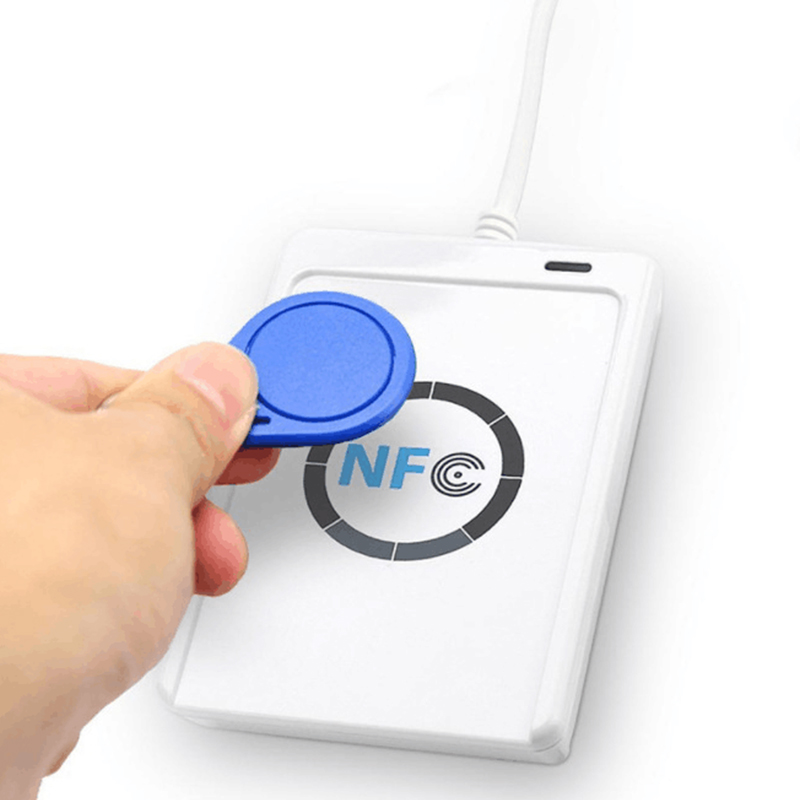
The software acts as the intelligence of your RFID inventory management system integration. Selecting the right platform is critical for turning raw hardware data into meaningful warehouse insights.
Look for software that offers robust data processing capabilities. A high-quality system should handle high-volume tag reads in real-time while providing clear visualizations of stock levels. Ensure the platform scales as your warehouse operations grow.
Seamless connectivity is essential. The chosen RFID inventory system software must integrate easily with existing ERP or WMS platforms via standard APIs. This ensures that inventory records remain consistent across your entire digital ecosystem.
Decide between on-premise and cloud-based deployments based on your IT infrastructure. Regardless of the choice, prioritize solutions with advanced data encryption to protect sensitive supply chain information. Finally, ensure the provider offers reliable long-term technical support.
A successful RFID inventory system implementation requires a structured, phased approach to minimize operational disruption. Following a logical sequence ensures the technology aligns with your specific warehouse workflows.
Start by defining clear objectives. Evaluate your current inventory bottlenecks, identify high-traffic zones for reader placement, and determine the necessary tag performance requirements. Clear goals are the foundation of effective RFID inventory system deployment.
Never jump directly to a full-scale rollout. Launch a pilot program in a single zone to test read accuracy, signal interference, and software responsiveness. This phase allows for hardware tuning and workflow adjustments based on real-world conditions.
Once the pilot succeeds, scale the system across the facility. Conduct comprehensive staff training to ensure warehouse personnel can effectively use handheld devices and respond to software alerts. Consistent monitoring post-launch is essential for long-term reliability.
For detailed guidance on starting your transition, visit our Contact Us page to discuss your project requirements.
Total RFID inventory system cost comprises hardware, software licenses, implementation, and ongoing maintenance. Understanding these four pillars is essential for setting a realistic RFID inventory system budget and calculating your long-term ROI.
Budgeting strategy depends on warehouse scale. Large facilities require significant investment in fixed portals, while smaller operations prioritize handheld mobility. Detailed cost analysis ensures your investment aligns with operational goals and prevents budget overruns.
Adapting the system to your specific sector is crucial for success. Each industry has unique operational demands, from high-speed logistics to strict batch tracking in manufacturing and pharmaceuticals.
In logistics, focus on high-speed portal reads to track pallet movements instantly. For retail, prioritize handheld devices to manage store-level inventory and prevent stockouts. Explore our industry-specific solutions for tailored advice.
Manufacturing requires durability for WIP (Work-in-Progress) tracking under harsh conditions. Pharmaceutical and food industries benefit from strict batch and expiry tracking, ensuring compliance and reducing waste through precise, automated inventory oversight.
Avoiding these frequent RFID inventory system challenges is essential to ensure long-term reliability. Proactive planning helps you navigate potential technical hurdles and maintain high system performance.
A common error is neglecting environmental factors, such as metal or liquid interference, which often leads to poor read rates. Similarly, placing readers in locations without considering signal overlap can cause data confusion.
Failing to integrate the RFID inventory system with existing WMS or ERP software creates data silos. Furthermore, skipping comprehensive staff training often results in underutilized features and slower adoption of the new digital workflow.
Implementing an RFID inventory system is more than a technical upgrade; it is a strategic shift toward a smarter, more transparent supply chain. By prioritizing accurate hardware selection and seamless software integration, you can achieve the real-time visibility necessary to stay competitive in today’s fast-paced market.
Ready to transform your warehouse operations? With years of expertise in RFID technology, our team is here to help you design a solution tailored to your specific needs. Contact us today for a professional consultation and discover how we can elevate your inventory management efficiency.
Do you need a professional team to provide you with solutions? Contact us for a quote
Let us discuss it with you.


 Tel: +86-755-23080267
 Email: [email protected]
Add: A316,building A, Huayuan Technology And Innovation Park, Baoyuan Road
Copyright © 2024 Shenzhen ZD Technology Co., Ltd., All rights reserved.
Designed by 

