
Effective credentialing is the backbone of any successful event, yet the technical nuances of RFID integration often create hurdles for organizers. From choosing the right chip frequency to ensuring material durability, a well-planned production cycle is essential.
This guide outlines the professional process to produce reliable custom rfid wristbands, helping you navigate the requirements for rfid custom wristbands effectively. By following these steps, you can ensure your custom rfid wristband for event operations remain secure, functional, and aligned with your branding goals.
Before diving into the design phase, it is essential to define the operational needs of your specific venue. Customization is not just about aesthetics; it is about functionality.
Are you hosting a single-day concert or a multi-day festival? For temporary use, custom disposable rfid wristbands are often the most cost-effective choice. Conversely, for fitness clubs or staff access, a reusable rfid wristband offers superior long-term value.
Determine the needs of different attendee tiers. Do you need specific zones for VIPs? Understanding your traffic flow helps in optimizing the chip capacity for your custom rfid wristbands for festivals.
Will your event take place in a water park or an outdoor stadium? Identifying these factors early prevents technical failures down the line.
Choosing the right material is a balance between durability, comfort, and budget. While many options exist, your decision should align with the event's lifecycle and environmental demands.
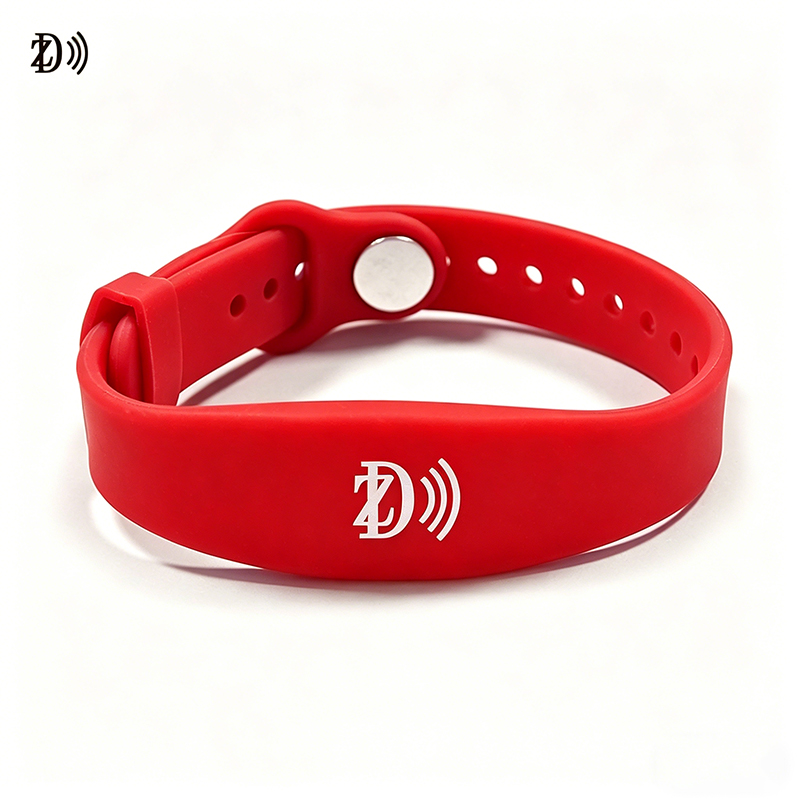
These are highly resilient, reusable credentials. Because they are inherently waterproof, hypoallergenic, and extremely durable, they are the preferred choice for water parks, fitness centers, and recurring annual events where the wristband must withstand long-term wear.
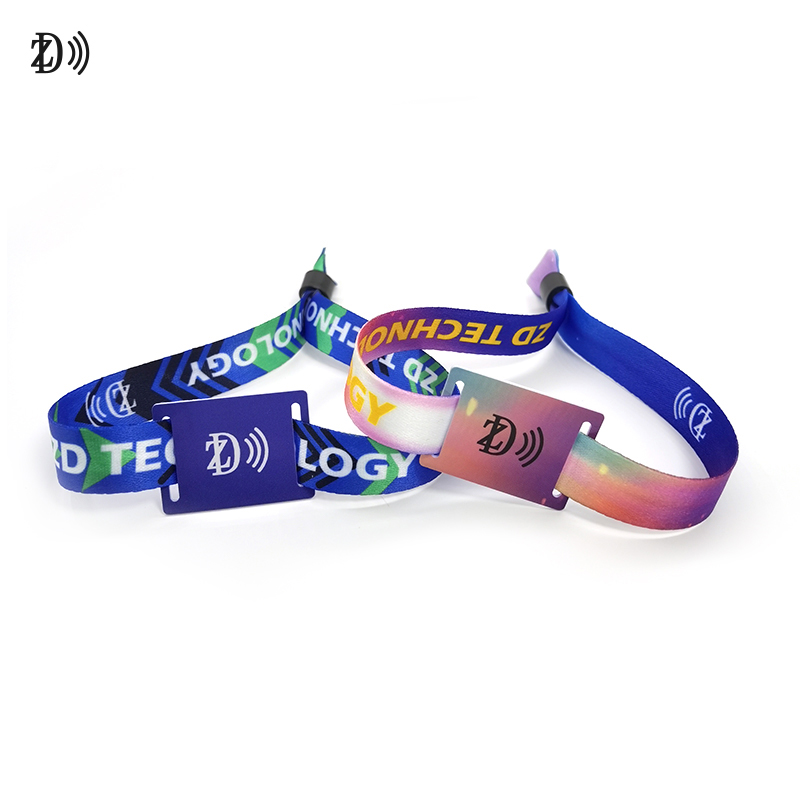
Renowned for their aesthetic appeal, custom rfid fabric wristbands are the top choice for music festivals and high-end corporate conferences. They offer a premium, souvenir-quality feel and allow for high-resolution, full-color printing that captures brand identity perfectly.
Often used for low-cost, strictly single-day admissions. While inexpensive, these lack the durability of synthetic materials and are prone to tearing or dissolving if exposed to moisture, making them unsuitable for outdoor activities or high-intensity events.
Some event planners opt for rigid plastic bands. While these provide a professional, structured credential feel, they are significantly less flexible for the wearer and can be difficult to secure comfortably compared to softer materials like silicone or woven fabric.
Matching the chip technology to your venue's reader infrastructure is the most critical technical decision in the customization process. Using the wrong frequency can lead to slow throughput or, in some cases, total system failure at the entrance.
125KHz (LF): Primarily used for simple identification and legacy access control systems. It is effective for basic, short-range proximity tasks.
13.56MHz (HF/NFC): The most versatile choice for events. NFC-enabled wristbands support cashless payments, social media check-ins, and secure access. This is the industry standard for custom rfid nfc wristbands.
UHF (Ultra High Frequency): Known for long-range reading. UHF is ideal for tracking large groups of people simultaneously, such as counting attendees as they pass through a wide gate.
Always confirm that the chip type is compatible with your existing readers. RFID wristband customization should always begin with a validation test between the chosen chip and your current hardware to ensure seamless communication. If you are starting a new project, we recommend testing the read range in an environment that mimics your event venue, as metal and liquid surfaces can interfere with signal propagation.
Once the technical specifications are confirmed, the visual design process ensures your brand identity is effectively integrated into the wristband. This phase focuses on selecting the right printing method and ensuring your design files are production-ready.
The method you choose depends on your material and the complexity of your artwork:
Best for simple logos, solid colors, and bold text. This is a cost-effective choice that provides clean, highly visible branding.
Essential for high-definition graphics, intricate patterns, and gradients. This is the preferred method for custom rfid fabric wristbands to achieve vibrant, edge-to-edge color reproduction.
A professional, durable solution specifically for silicone. Because the design is etched directly into the material, it remains crisp and legible even after prolonged exposure to water, sweat, or high-friction environments like gyms.
To enhance event security and attendee tracking, you can integrate unique identifiers such as QR codes, barcodes, or sequential serial numbers. These are vital for audit trails and mitigating ticket fraud.
To ensure your final products match your expectations, follow these design standards:
Always submit your artwork in vector format (e.g., .AI, .EPS, or .PDF). Vector files are resolution-independent, ensuring that logos remain sharp at any scale.
If your brand requires specific colors, provide Pantone (PMS) codes. This is the only way to ensure color consistency across different batches and materials.
When finalizing your mockup, ensure that critical branding elements do not overlap with the area where the RFID chip is housed. A clear visual mockup helps confirm that the chip inlay sits comfortably without distorting your logo or design.
Prototyping serves as a critical bridge between the digital design and mass production. Creating a physical sample allows for a final inspection of material texture, color accuracy, and overall build quality before the factory begins the full run. This stage effectively reduces the risk of errors and ensures the final product aligns with your expectations.
Functional testing is equally important to confirm that the chip performs reliably within the wristband's housing. Technicians check the read range and response time to verify that the hardware remains compatible with the event's scanners. Testing under simulated conditions helps identify any potential signal interference or data stability issues early in the process.
Upon sample approval, mass production begins. As a professional custom rfid wristbands manufacturer, we apply rigorous quality controls to ensure every unit in your bulk custom rfid wristbands order meets precise standards for both durability and chip performance.
Your order is shipped via reliable logistics to ensure timely arrival. Upon receipt, perform a quick physical count and chip scan to confirm everything is ready for your event, ensuring seamless operation for all guests.
Even with a solid plan, these subtle execution errors can jeopardize your event if left unaddressed:
Failing to account for print bleeds often results in white edges or clipped logos during cutting, which compromises the professional finish of your custom rfid wristband for event materials.
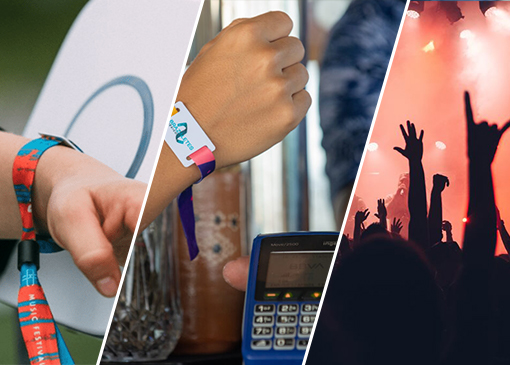
Neglecting to order a 2-5% surplus of wristbands can be a major issue if you encounter unexpected walk-ins or minor hardware losses, leading to shortages on the event day.
Storing RFID products in high-humidity or extreme-temperature environments before the event can cause physical degradation of the material or chip oxidation, affecting performance.
Mastering the custom rfid wristbands process ensures both operational efficiency and a premium attendee experience. By aligning your material choice with the event environment and strictly following professional design and production protocols, you can avoid costly errors and ensure seamless rfid custom wristbands integration. Ready to secure your project? Contact us today for expert advice and a custom quote tailored to your event.
Do you need a professional team to provide you with solutions? Contact us for a quote
Let us discuss it with you.


 Tel: +86-755-23080267
 Email: [email protected]
Add: A316,building A, Huayuan Technology And Innovation Park, Baoyuan Road
Copyright © 2024 Shenzhen ZD Technology Co., Ltd., All rights reserved.
Designed by 

