
In today’s fast-moving business environment, many companies are turning to RFID technology to improve operational efficiency, enhance inventory visibility, and reduce manual work. However, the benefits of RFID depend greatly on choosing the right partner. Not all RFID solutions are the same, and selecting the wrong provider may lead to compatibility issues, poor performance, or unnecessary costs. To help businesses make a confident decision, this article explains the key factors to consider when selecting the best RFID partner for your needs.
Before choosing an RFID partner, it is important to understand what your industry requires and how RFID will be used in daily operations. Different sectors have very different conditions and goals. For example, retail businesses focus on fast inventory counting and product visibility, while healthcare facilities need washable and durable RFID tags for hospital linens and medical equipment. In manufacturing, companies may require high-temperature or anti-metal RFID tags that can survive tough environments. By clearly identifying your application goals—such as asset tracking, anti-theft control, supply chain visibility, or warehouse automation—you will be better prepared to find an RFID supplier that understands your challenges and can offer suitable solutions.
Once your industry requirements are clear, the next step is selecting the right RFID technology. RFID systems use different frequency ranges such as LF, HF, and UHF, each suited for different use cases. LF is commonly used for animal identification or metal-rich environments. HF works well for access cards or library systems. UHF is the most common choice for retail, warehouse, logistics, and large-scale tracking because of its longer read range and faster scanning capabilities. Beyond frequency, businesses also need to decide between active and passive RFID. Active tags work well for long-distance or high-value assets, while passive UHF RFID is preferred for everyday tracking due to lower costs. A reliable RFID partner should be able to guide you through these options and help you match the right technology with your specific operations.
After understanding the technical options, it becomes essential to evaluate the provider’s industry expertise. A qualified RFID partner should have strong experience in system design, hardware selection, and project implementation. Providers with proven case studies in your field can offer practical insights and avoid common mistakes. This includes knowing how to choose the correct tag types, install readers in proper locations, and design workflows that reduce interference and errors. The expertise of your partner will greatly influence system accuracy, long-term stability, and the overall return on investment.
Every business has unique requirements, so customization plays an important role when choosing an RFID partner. A good provider should offer flexible options such as custom RFID tags, specialized encodings, and tailored software dashboards that match your workflow. For example, some industries need ultra-small tags for jewelry management, while others require laundry-safe or outdoor-durable tags. In addition to hardware customization, the RFID software must be able to adapt to your reporting needs, user interface preferences, and data rules. The ability to scale the system later—whether adding more readers, locations, or tag categories—is another sign of a dependable and future-ready partner.
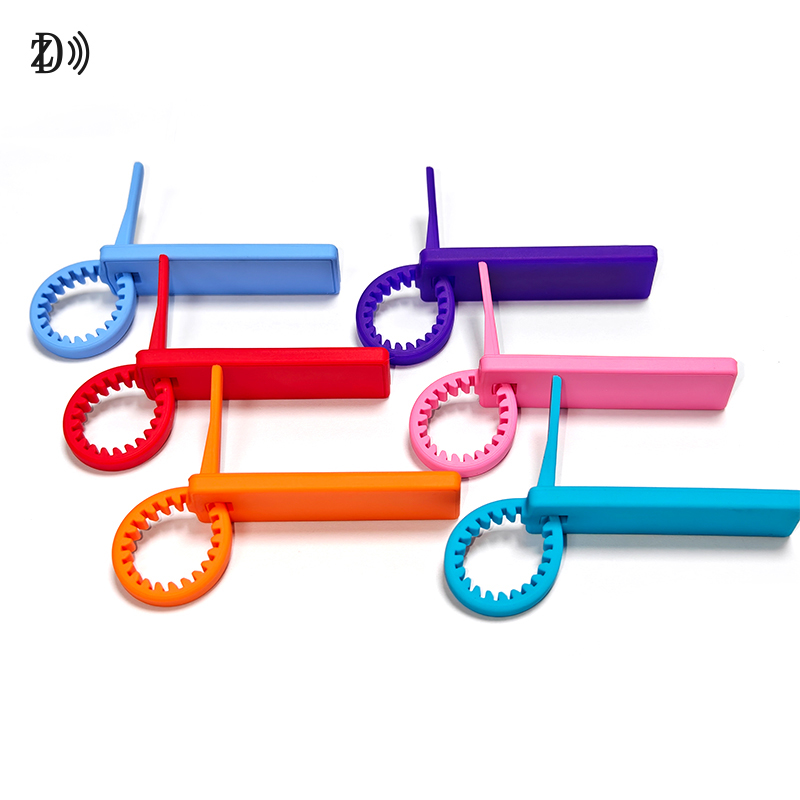
RFID system performance depends heavily on the quality of tags, readers, and antennas. Poor-quality tags may fail in extreme temperatures, humidity, or heavy use, leading to inaccurate data and unnecessary replacements. Therefore, it is important to choose an RFID partner that provides durable products proven to work in your environment. This includes anti-metal tags for machinery, heat-resistant tags for manufacturing, or washable tags for hotels and hospitals. A trustworthy provider should offer test samples and technical documents to ensure the hardware meets your operational conditions.
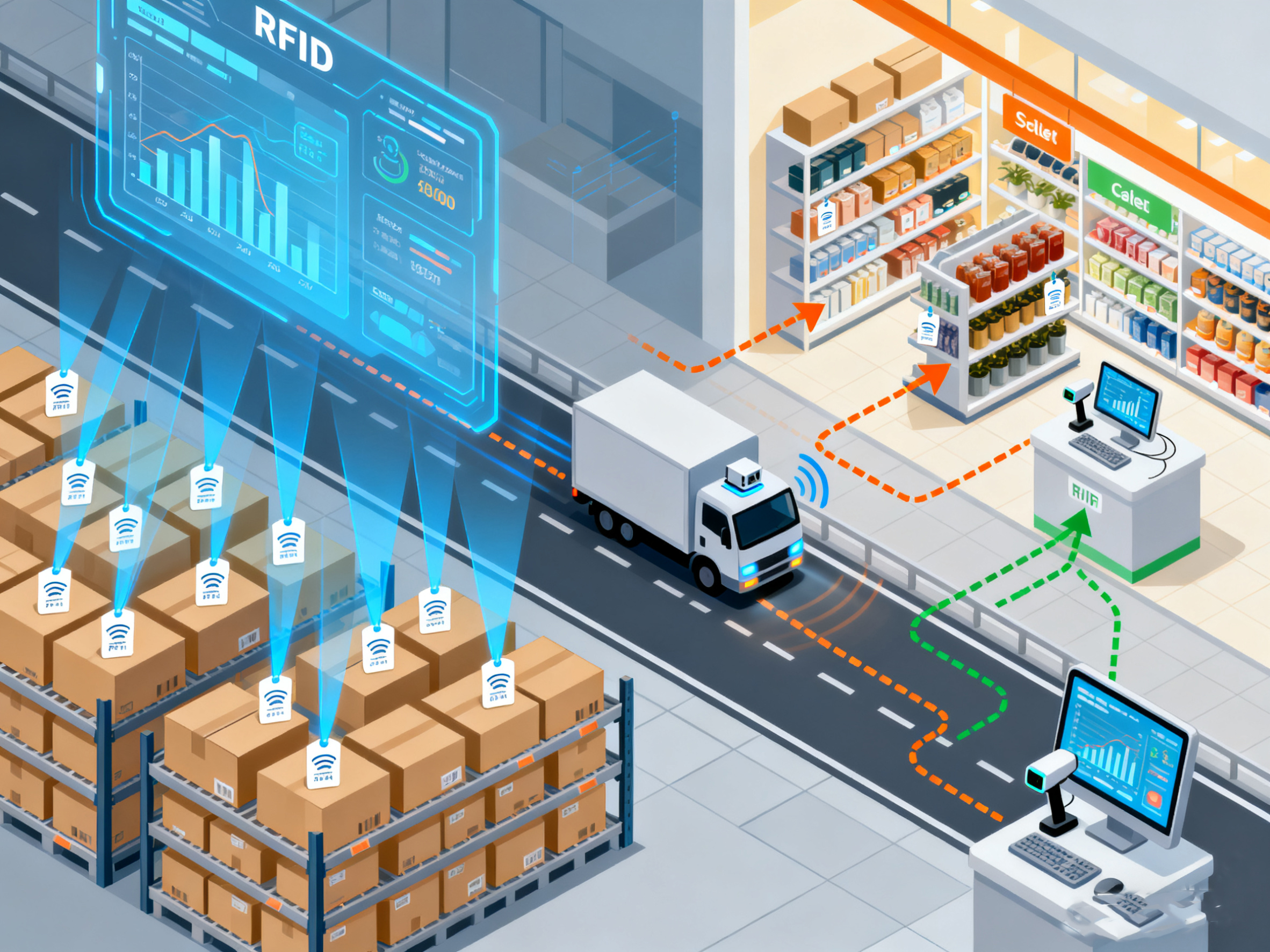
For an RFID system to deliver real value, it must integrate smoothly with your current software platforms such as ERP, WMS, POS, or MES. Without proper integration, RFID data cannot be used efficiently for decision-making. When evaluating providers, ask whether their software supports APIs, SDKs, or cloud-based dashboards that connect with your existing systems. Integration ability often separates professional RFID partners from basic hardware vendors. A strong partner will not only offer hardware but also provide technical support for software connectivity, data syncing, and workflow automation.
Business needs change over time, so your RFID solution must be able to grow with you. A scalable system allows you to add more tags, expand to new warehouses or stores, and upgrade analytics functions without rebuilding the entire setup. When discussing with potential providers, check if they offer modular upgrades, cloud-based management tools, and flexible tag options for future applications. A scalable RFID partner will help you achieve a better long-term return on investment.
Even the best RFID system will underperform if employees find it difficult to use. Therefore, user-friendly design, clear interfaces, and training support are critical. A dependable provider will offer onboarding sessions, documentation, and ongoing technical assistance. This ensures that your team can operate the system confidently and troubleshoot small issues without delays. Strong after-sales service also means having access to timely maintenance, firmware updates, and replacement parts, which helps keep operations running smoothly.
Finally, cost should be evaluated based on long-term value rather than upfront prices. While some solutions may appear cheap at first, they may lack durability, integration ability, or scalability. When comparing providers, consider the full cost structure, including hardware, software, installation, and maintenance. The right RFID partner will help you reduce manual labor, improve data accuracy, and increase operational efficiency, delivering a stronger return on investment over time.
Selecting the best RFID partner for your business is not just about buying tags and readers. It involves evaluating industry experience, technical capability, customization options, integration support, and long-term scalability. By carefully considering these factors, you can choose an RFID partner that helps your business achieve greater efficiency and reliability in every stage of operation.
If you are looking for a reliable RFID partner with strong technical expertise and high-quality products, ZD Technology—an experienced RFID tag manufacturer—is ready to support your projects and help your business move forward.
Do you need a professional team to provide you with solutions? Contact us for a quote
Let us discuss it with you.


 Tel: +86-755-23080267
 Email: [email protected]
Add: A316,building A, Huayuan Technology And Innovation Park, Baoyuan Road
Copyright © 2024 Shenzhen ZD Technology Co., Ltd., All rights reserved.
Designed by 

