
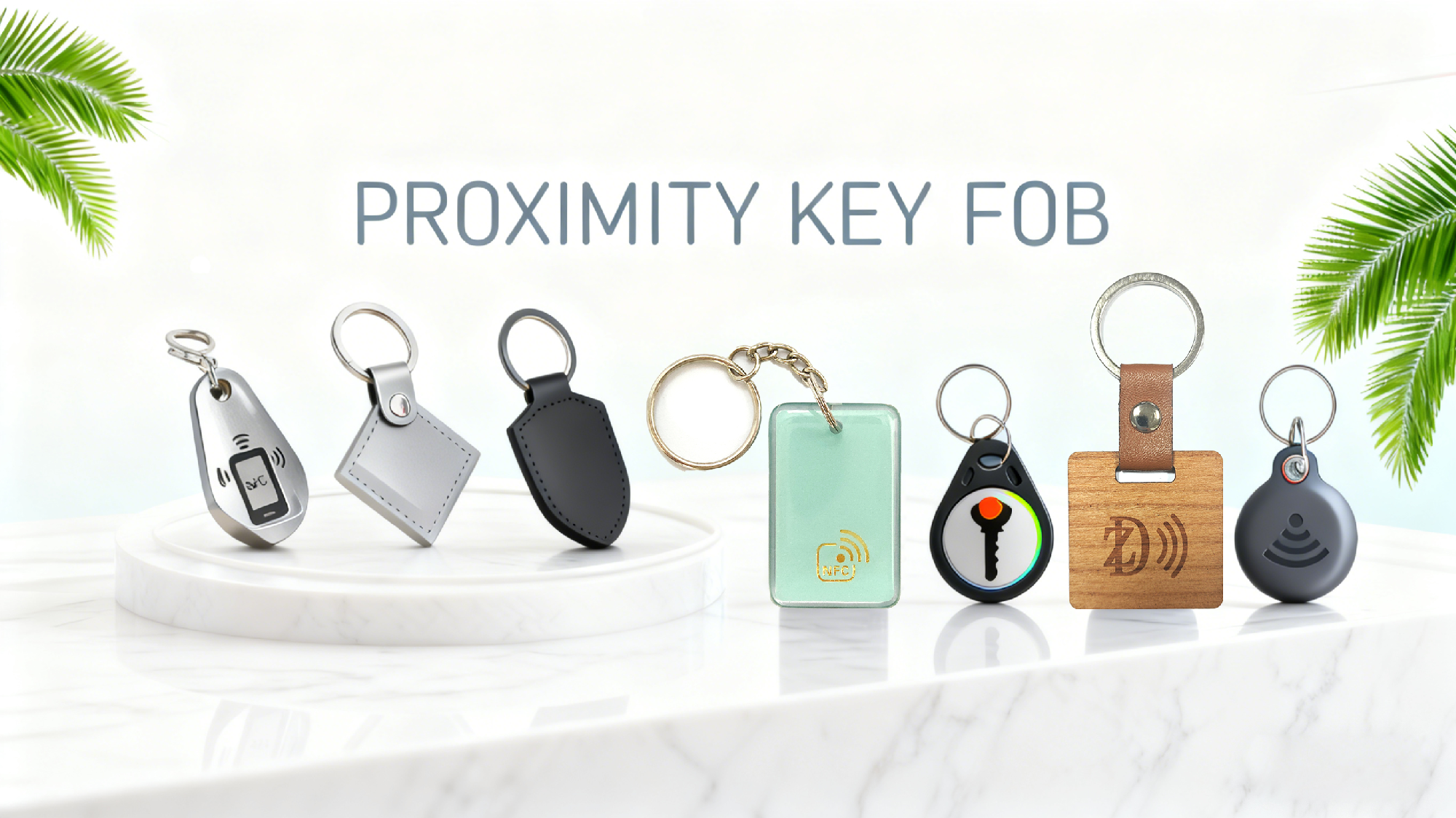
This article introduces the definition, core advantages (convenience, security, low cost, ease of operation, and strong compatibility) and wide range of applications of Proximity Key Fob. It also details the characteristics and applicable scenarios of two mainstream types: ABS material (common type) and epoxy material (high-end customized type).
Read More>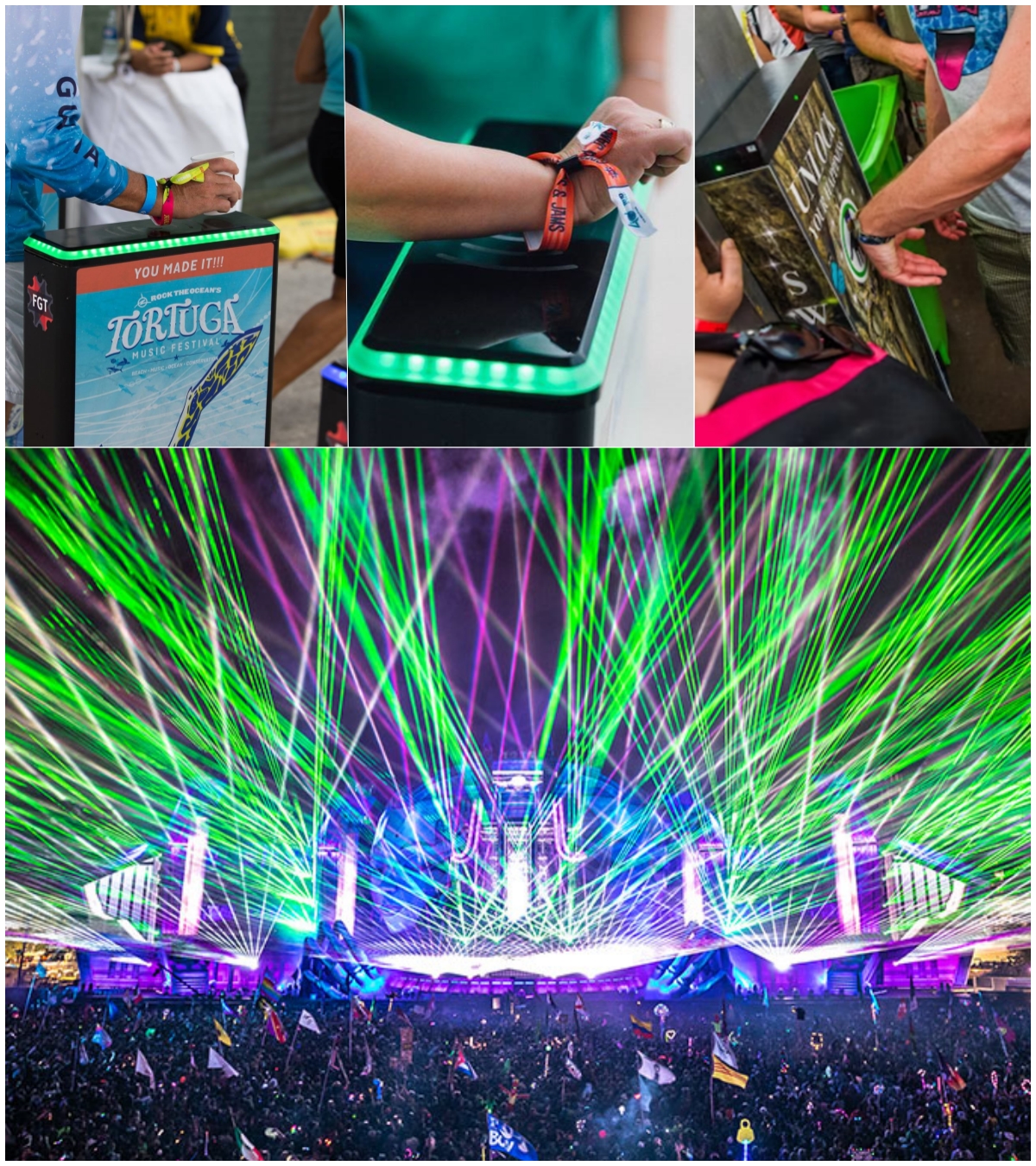
RFID technology has emerged as a critical tool for ensuring food and drug safety, providing businesses with effective supply chain traceability and enhanced security.
Read More>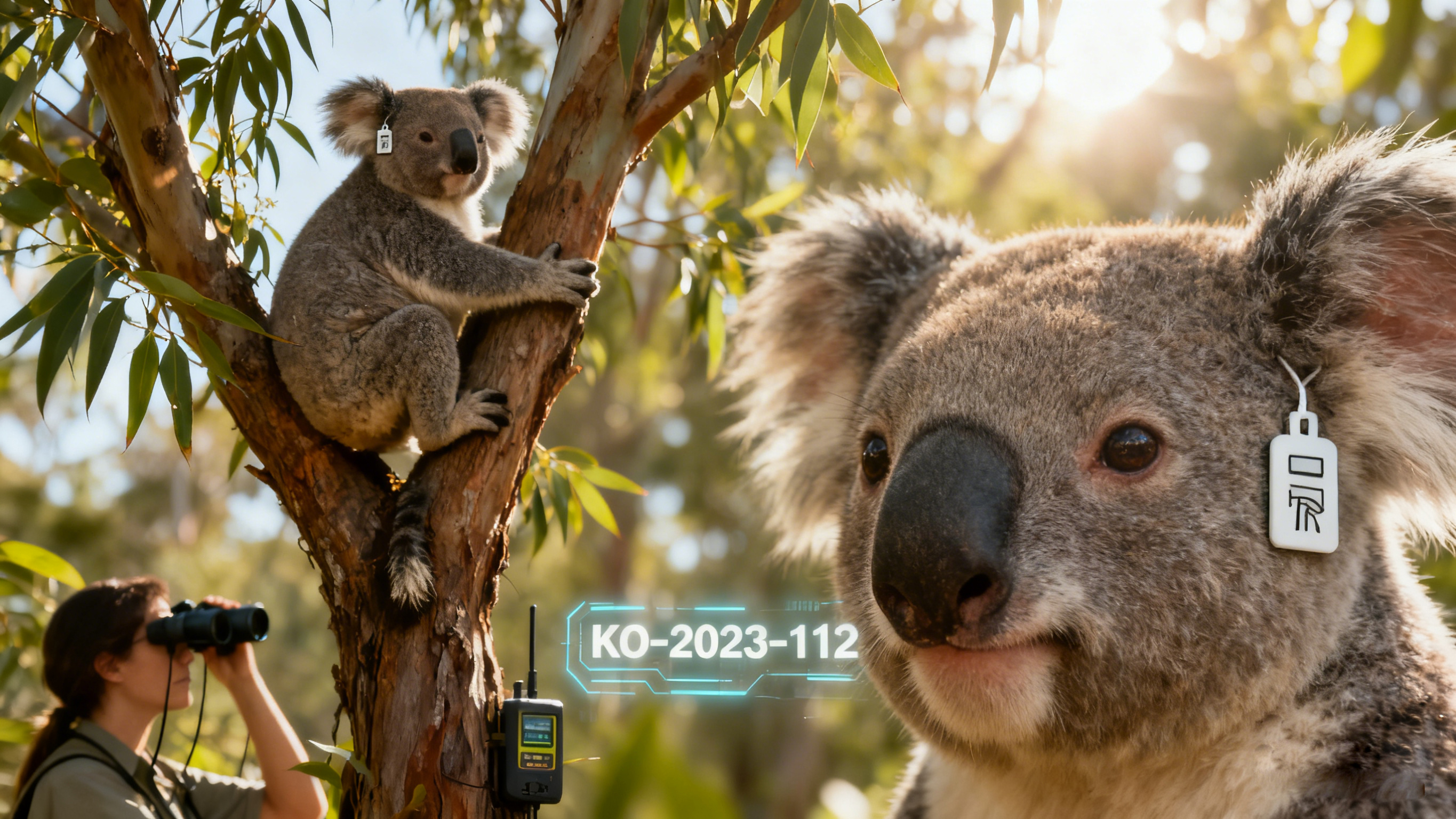
By offering accurate identification and efficient data collection, RFID supports wildlife conservation programs and improves livestock management.
Read More>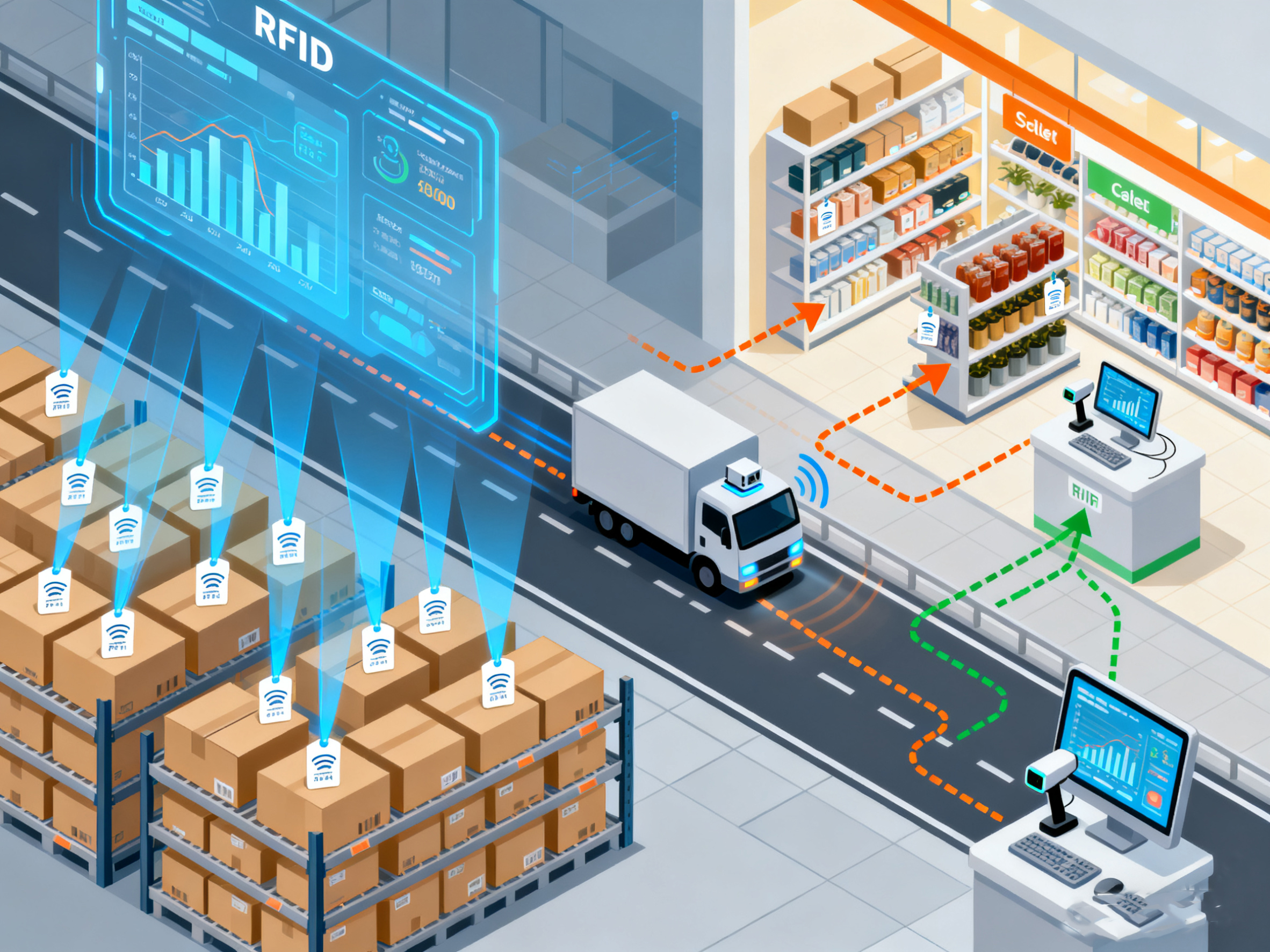
the benefits of RFID depend greatly on choosing the right partner. Not all RFID solutions are the same, and selecting the wrong provider may lead to compatibility issues, poor performance, or unnecessary costs.
Read More>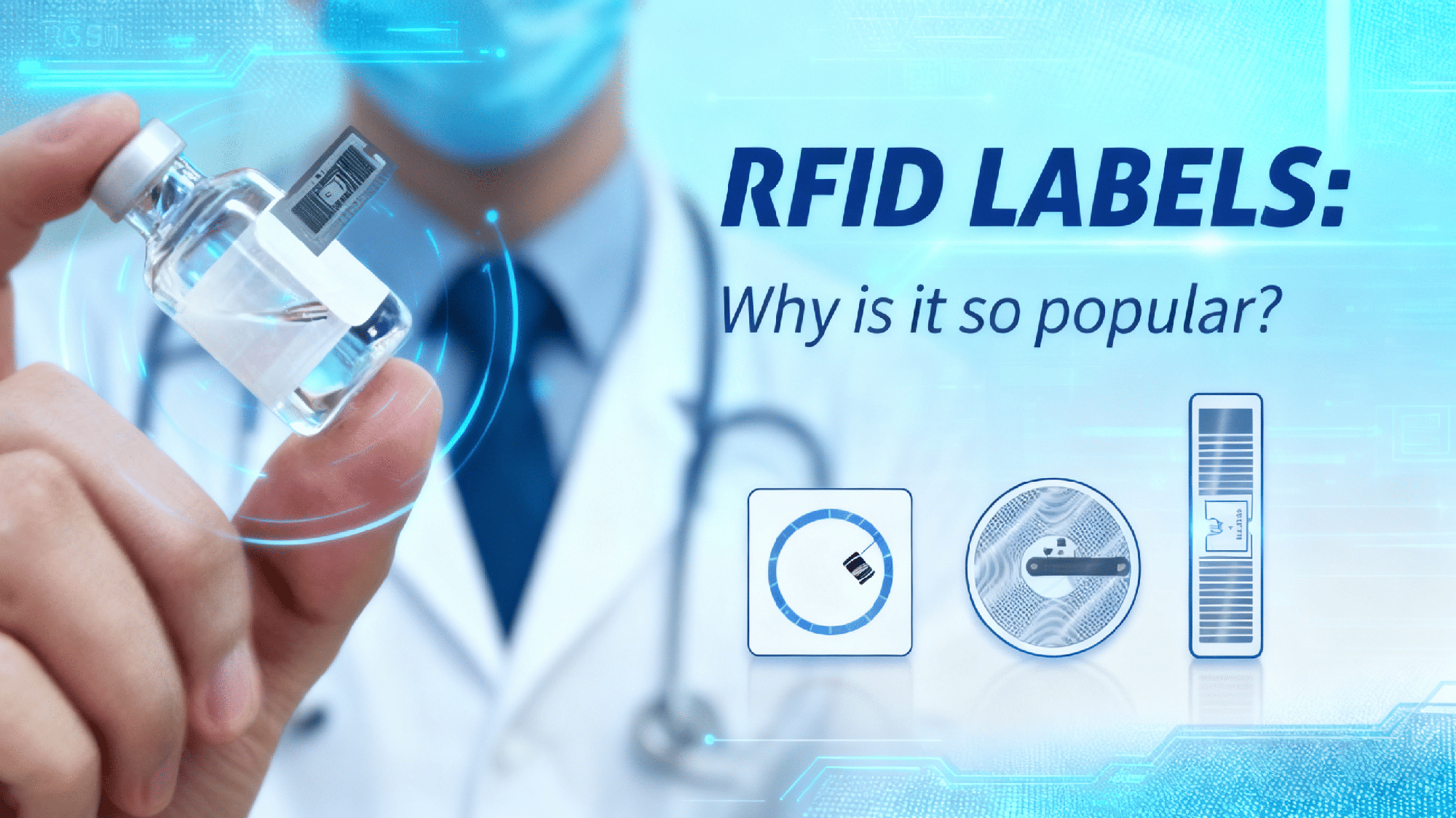
RFID labels, also referred to as smart labels, have become essential in a wide range of industries. They are being increasingly integrated into modern life, facilitating the global transition toward automation, traceability, and smart management. As one of the world’s top ten anti-counterfeiting technologies, the innovation of RFID labels is advancing at a rapid pace. But what makes them so effective—and so widely adopted?
Read More>
By enabling accurate data collection and automated tracking, RFID helps businesses manage vegetables more efficiently and ensures consumers receive fresher products.
Read More>
This is where RFID electronic seal tags step in, offering a modern solution that combines physical security with digital tracking for stronger and more efficient shipment protection.
Read More>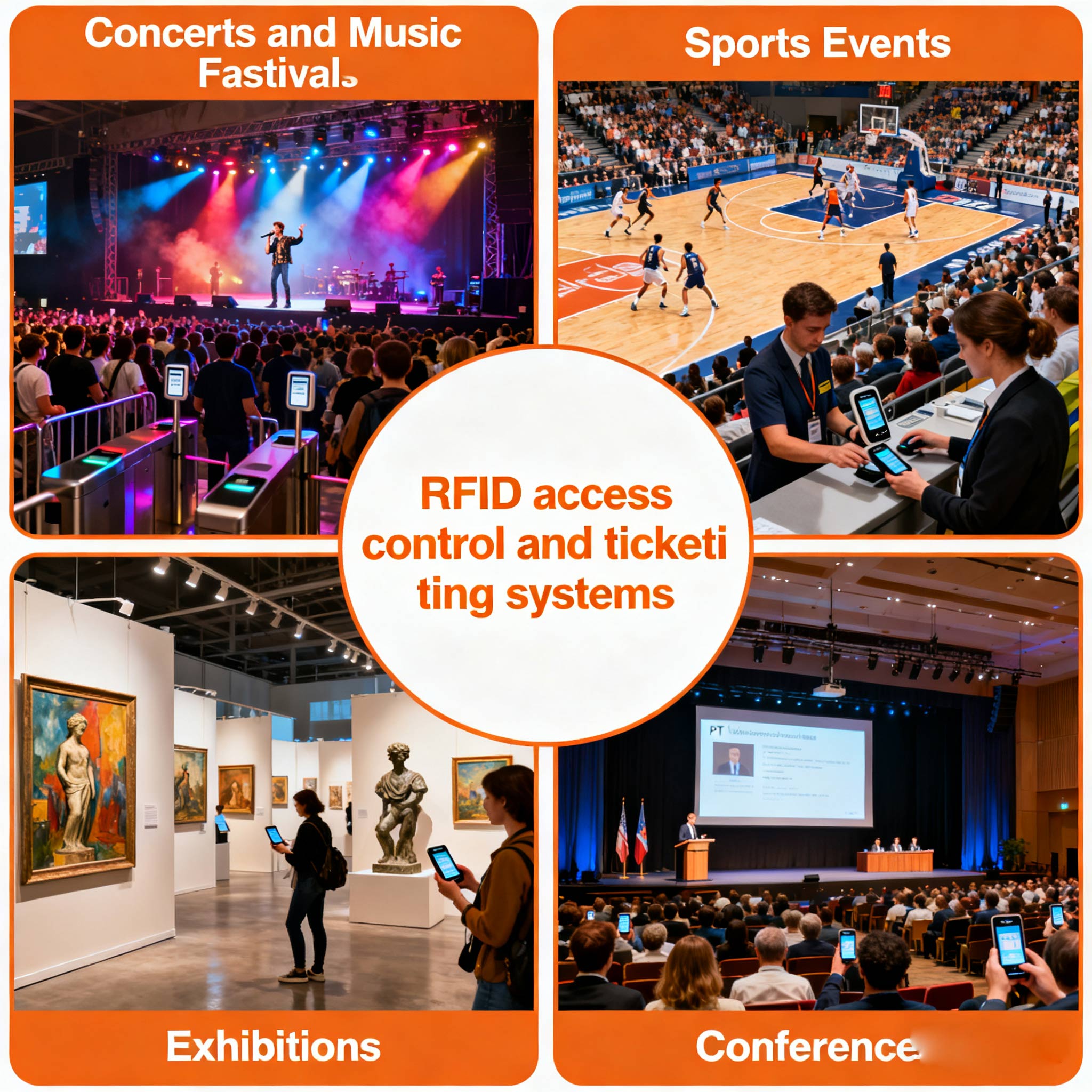
RFID technology has emerged as a reliable solution for access control and ticketing management
Read More>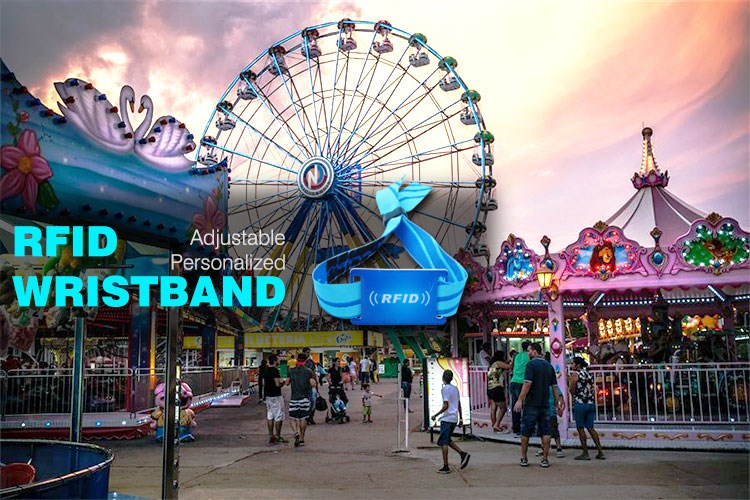
In recent years, RFID wristbands have emerged as a game-changing tool for modern event management. From large-scale music festivals and high-stakes sports tournaments to intimate corporate conferences and bustling theme parks, Radio Frequency Identification (RFID) technology is redefining how organizers handle access control, streamline payments, and elevate guest experiences.This shift isn’t just about adopting new tech—it’s about solving longstanding pain points, like slow check-ins or cash-handling delays, while unlocking new opportunities to engage attendees. Let’s dive into how RFID wristbands are used across event types, their core benefits, and why they’ve become indispensable for seamless, smart event operations.What Are RFID Wristbands?RFID wristbands are wearable devices embedded with a tiny RFID chip and a small annna. They operate by communicating wirelessly with RFID scanners or readers—when held near a reader (usually within 1–3 inches), the chip transmits stored dat
Read More>
If you’ve stayed at a hotel in the past few years, you’ve almost certainly noticed a significant shift in room access methods: the once-ubiquitous metal keys have largely vanished. In their place, guests now receive compact plastic key cards—either utilizing RFID (Radio Frequency Identification) or magnetic stripe technology—to unlock their rooms. This global transition from traditional metal keys to advanced RFID key card systems isn’t a random choice; it’s a strategic move driven by technological innovation, operational efficiency, and enhanced guest experience. Let’s delve deeper into the technology behind hotel key cards, the key reasons for this shift, and how RFID access control is reshaping the landscape of modern hospitality.
Read More>Do you need a professional team to provide you with solutions? Contact us for a quote
Let us discuss it with you.


 Tel: +86-755-23080267
 Email: [email protected]
Add: A316,building A, Huayuan Technology And Innovation Park, Baoyuan Road
Copyright © 2024 Shenzhen ZD Technology Co., Ltd., All rights reserved.
Designed by 


 Home
Home